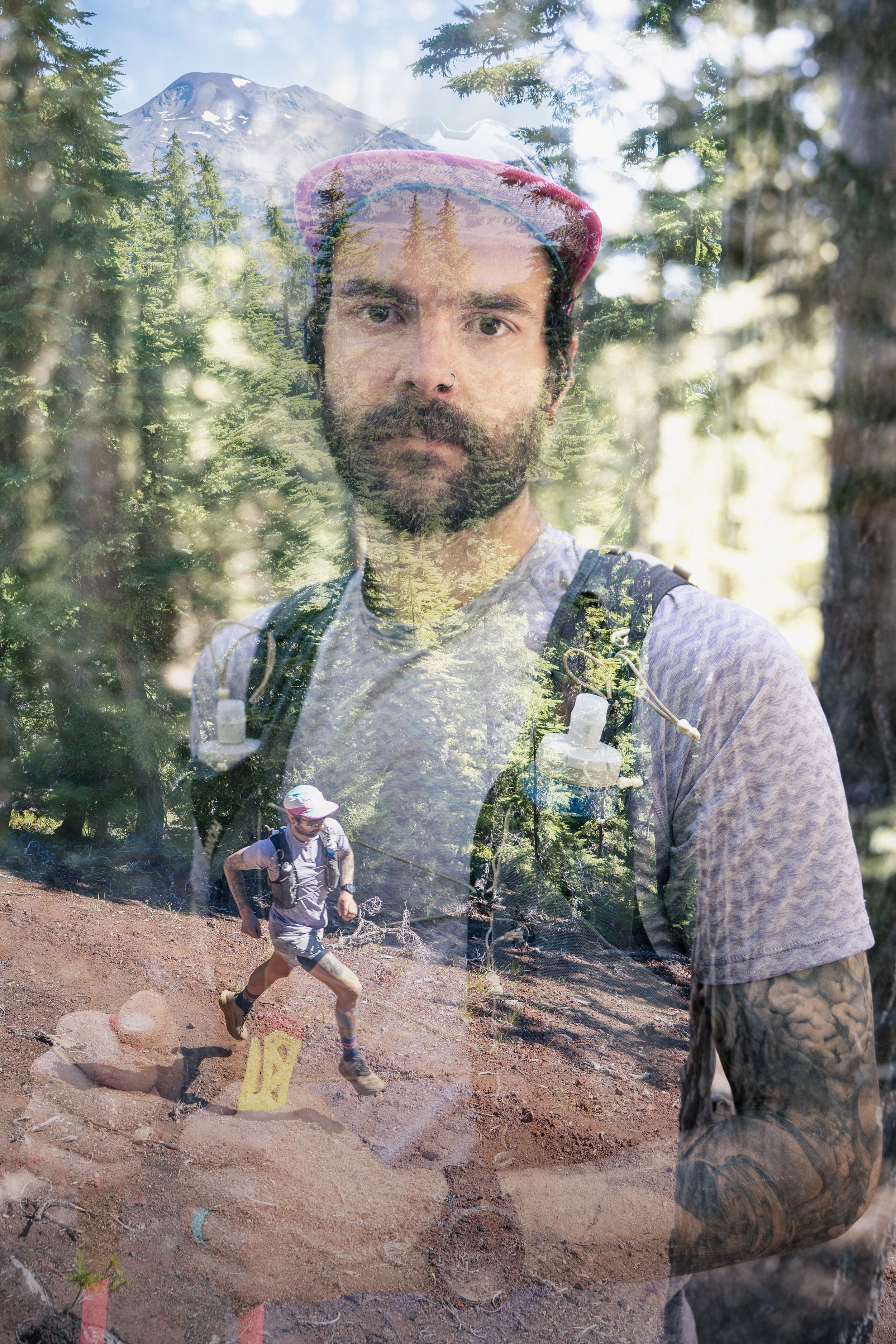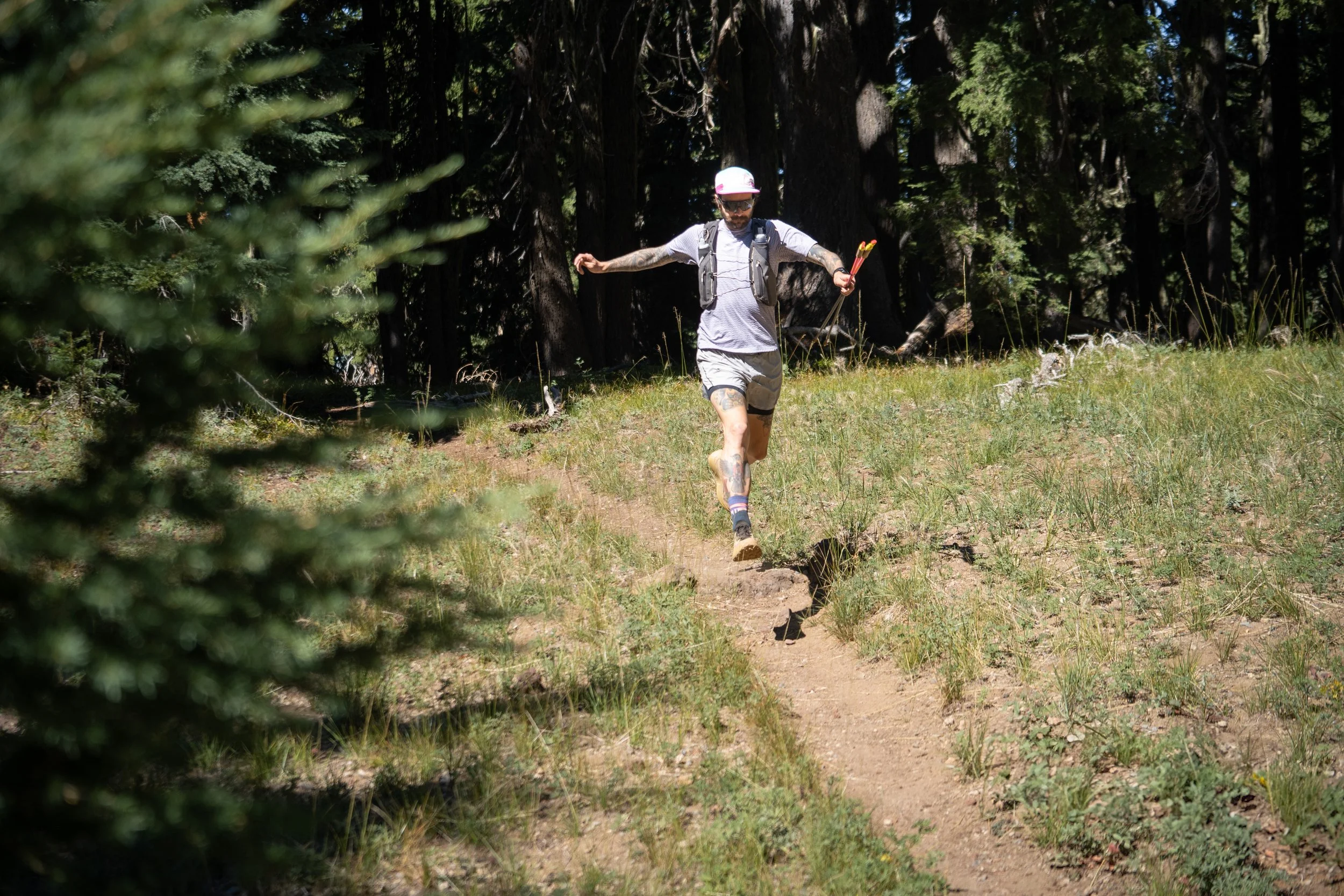
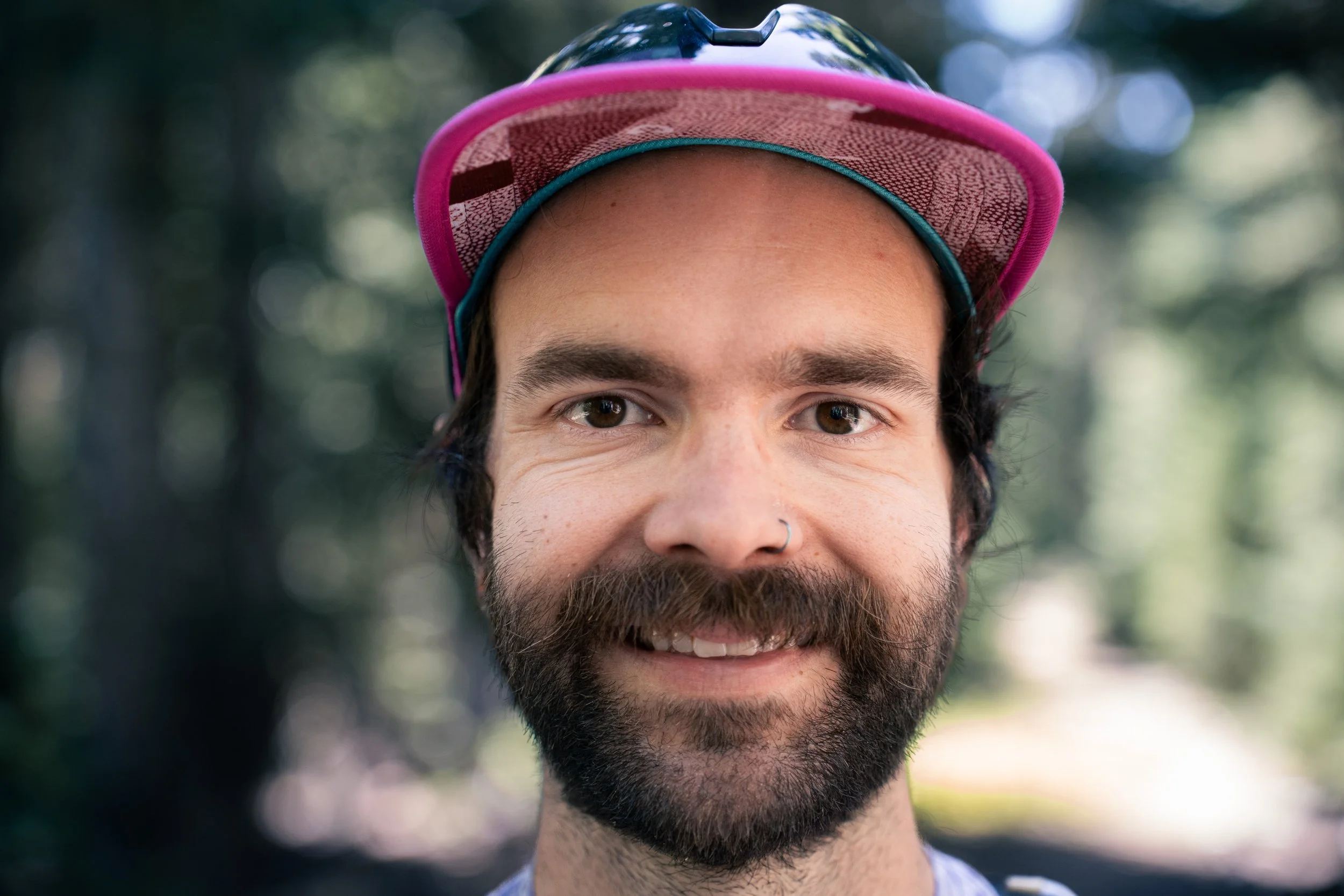
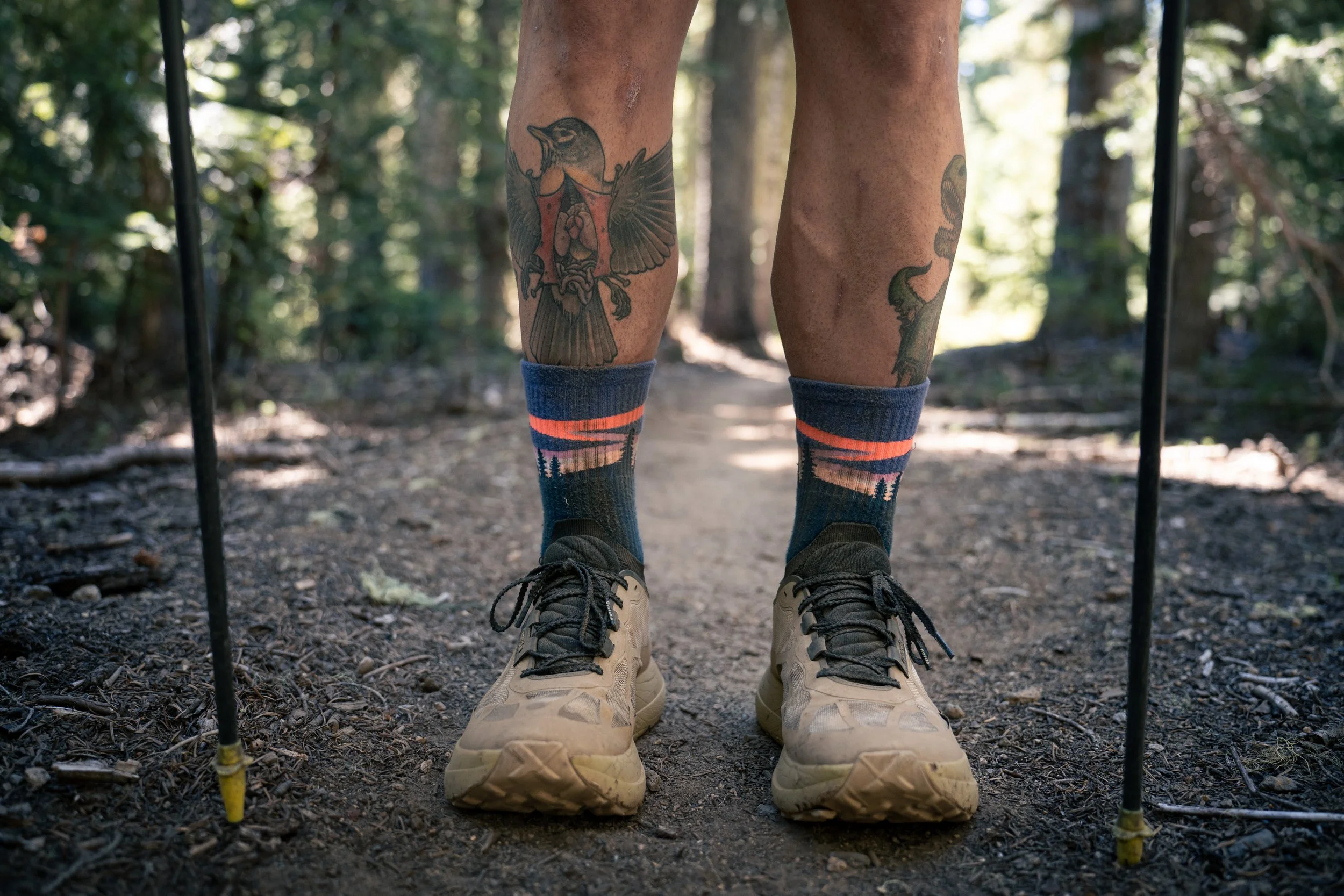
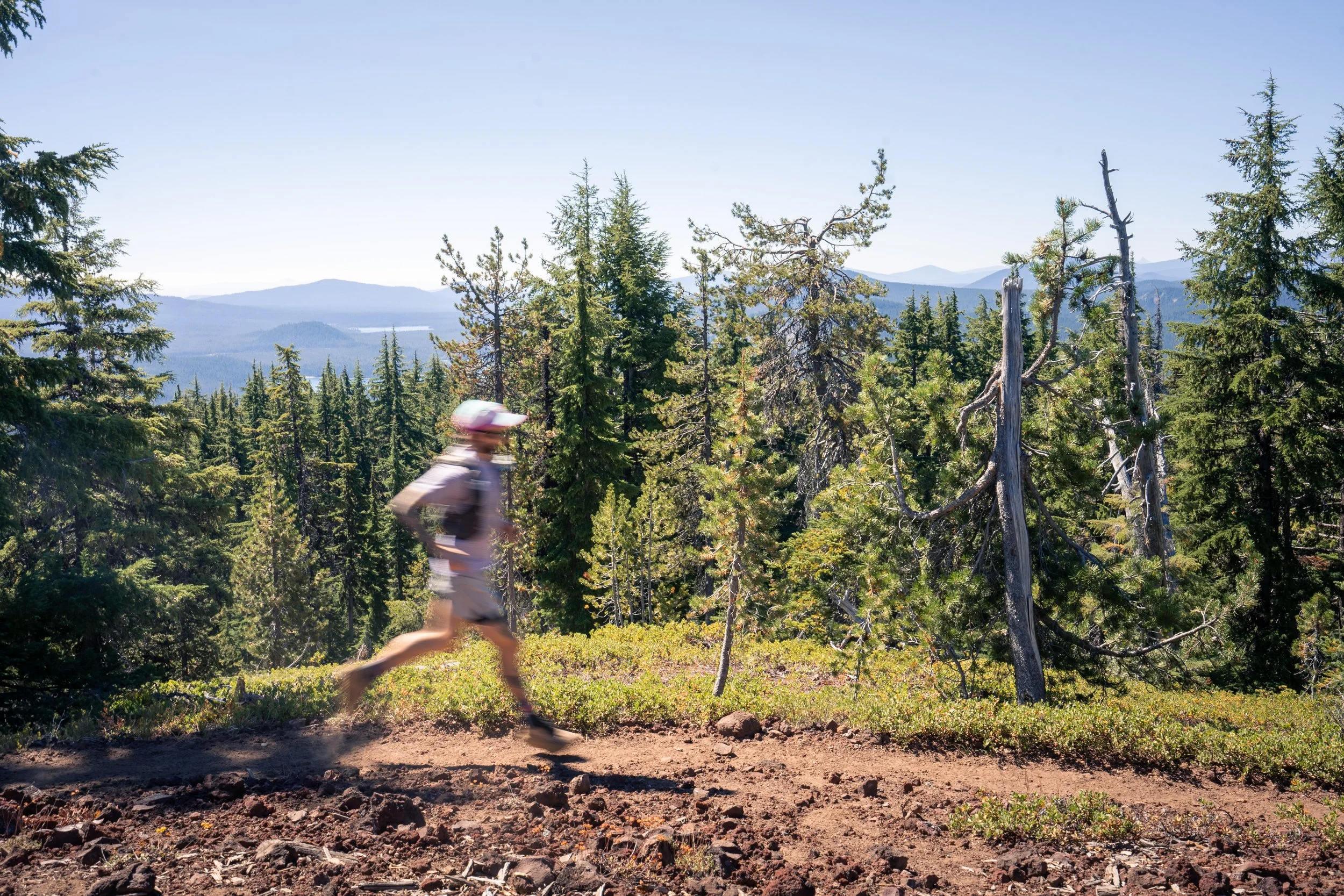
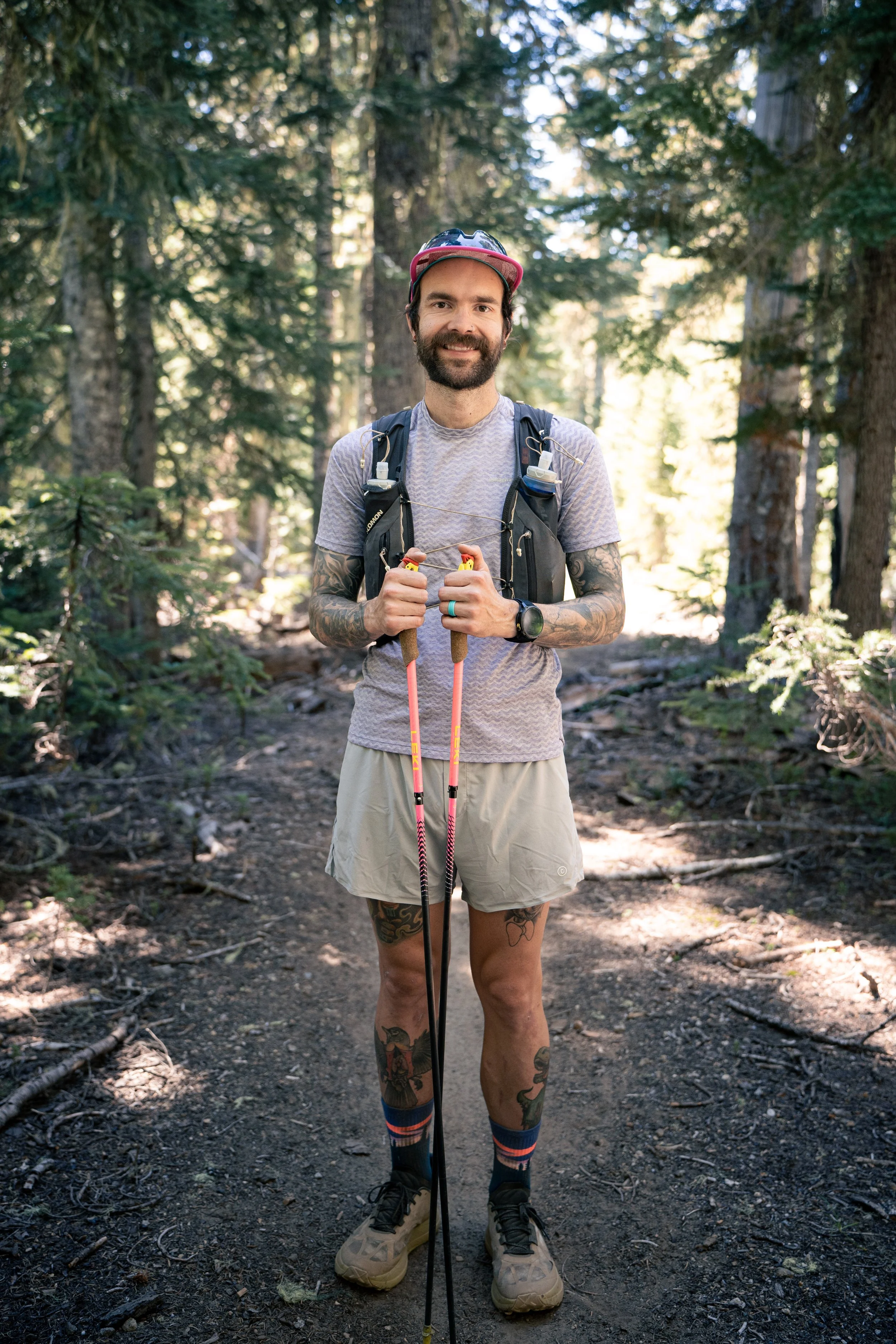
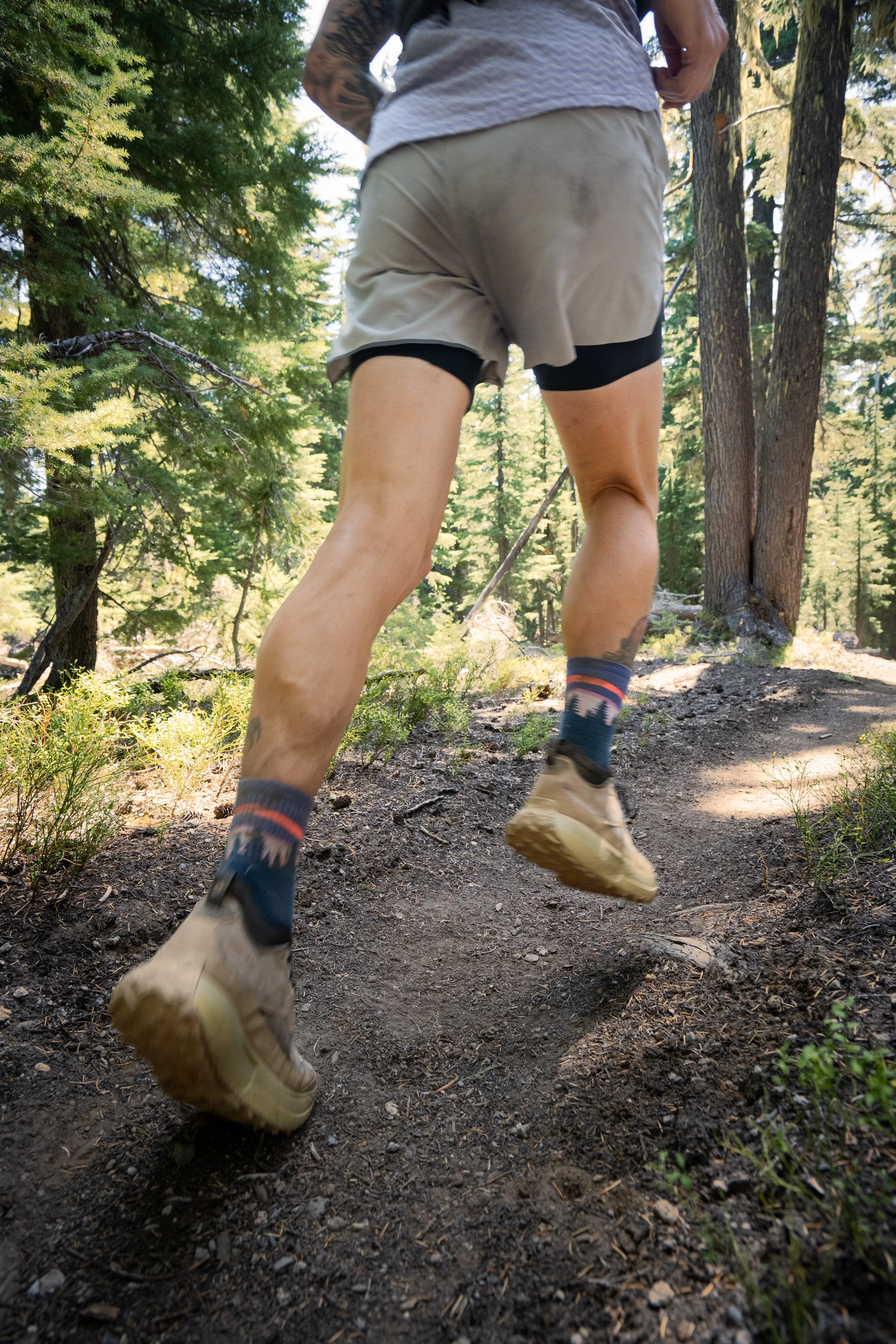
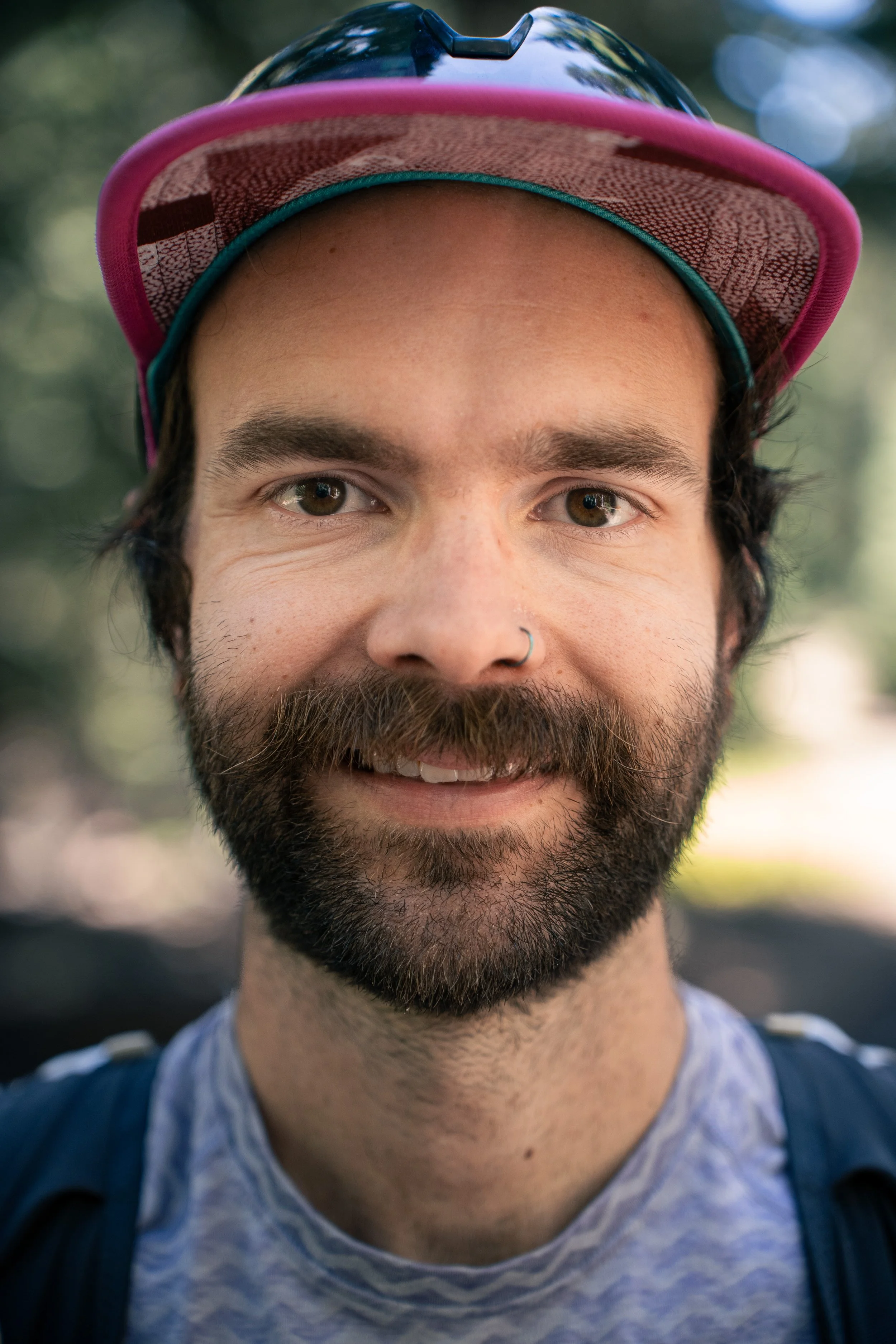
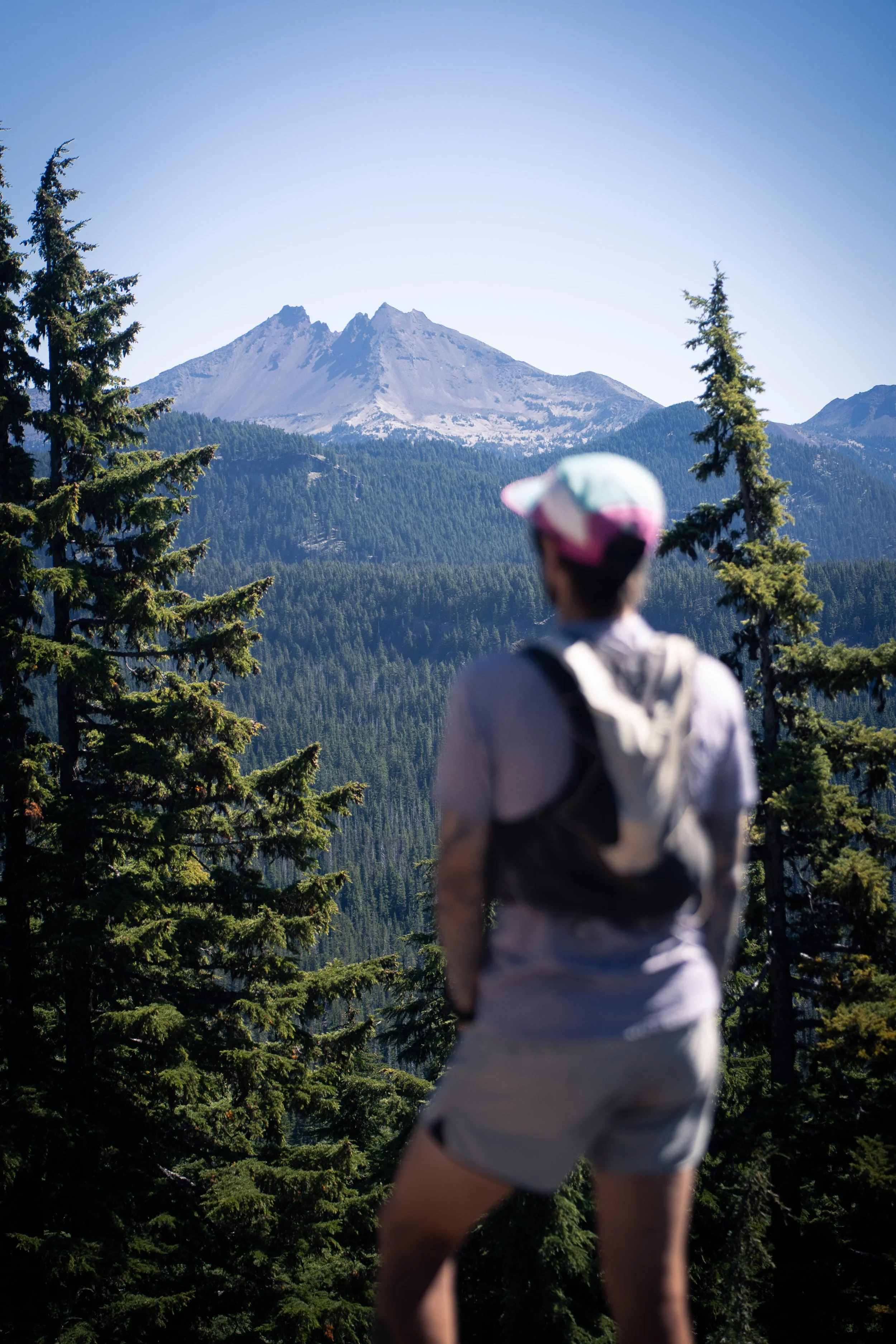
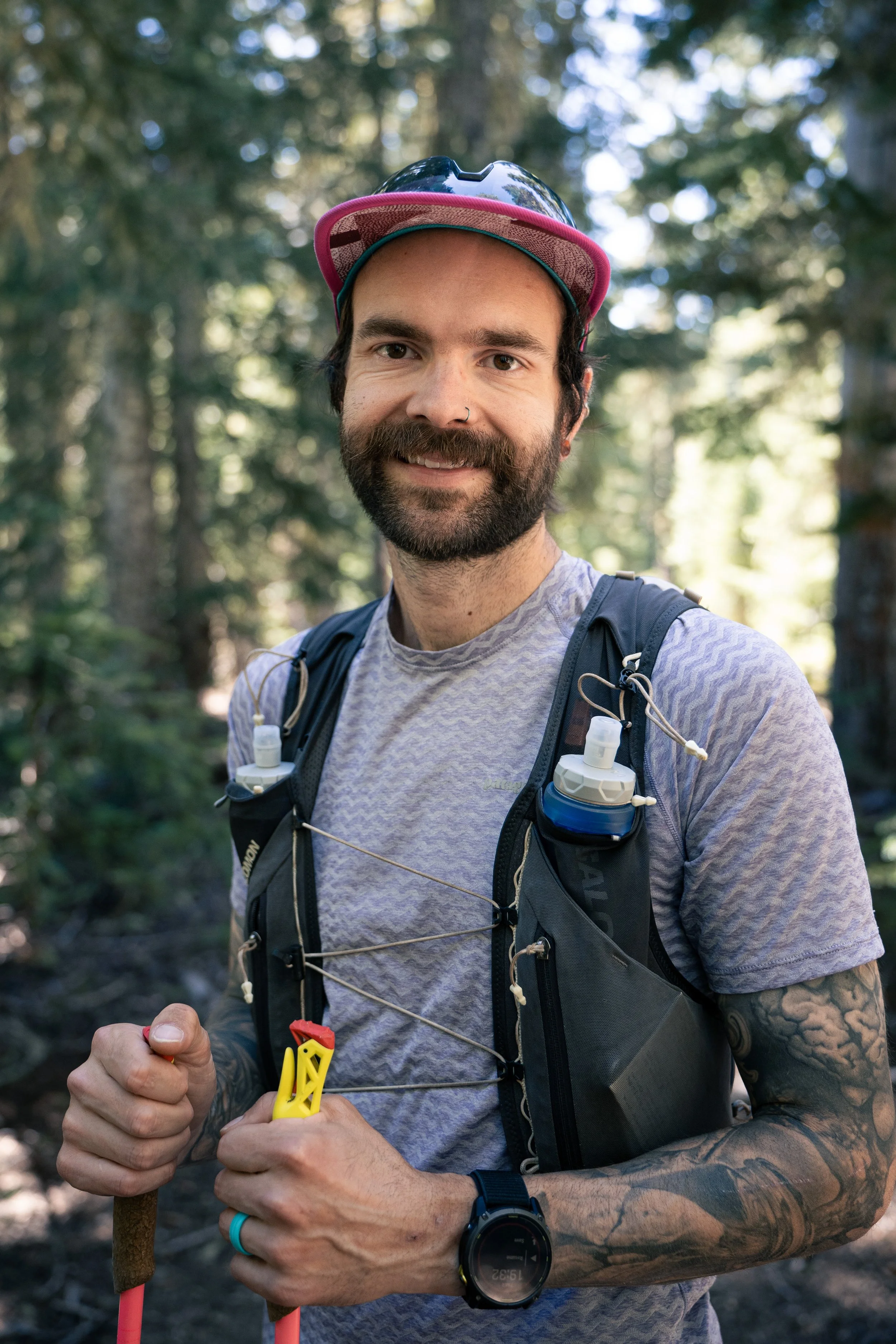
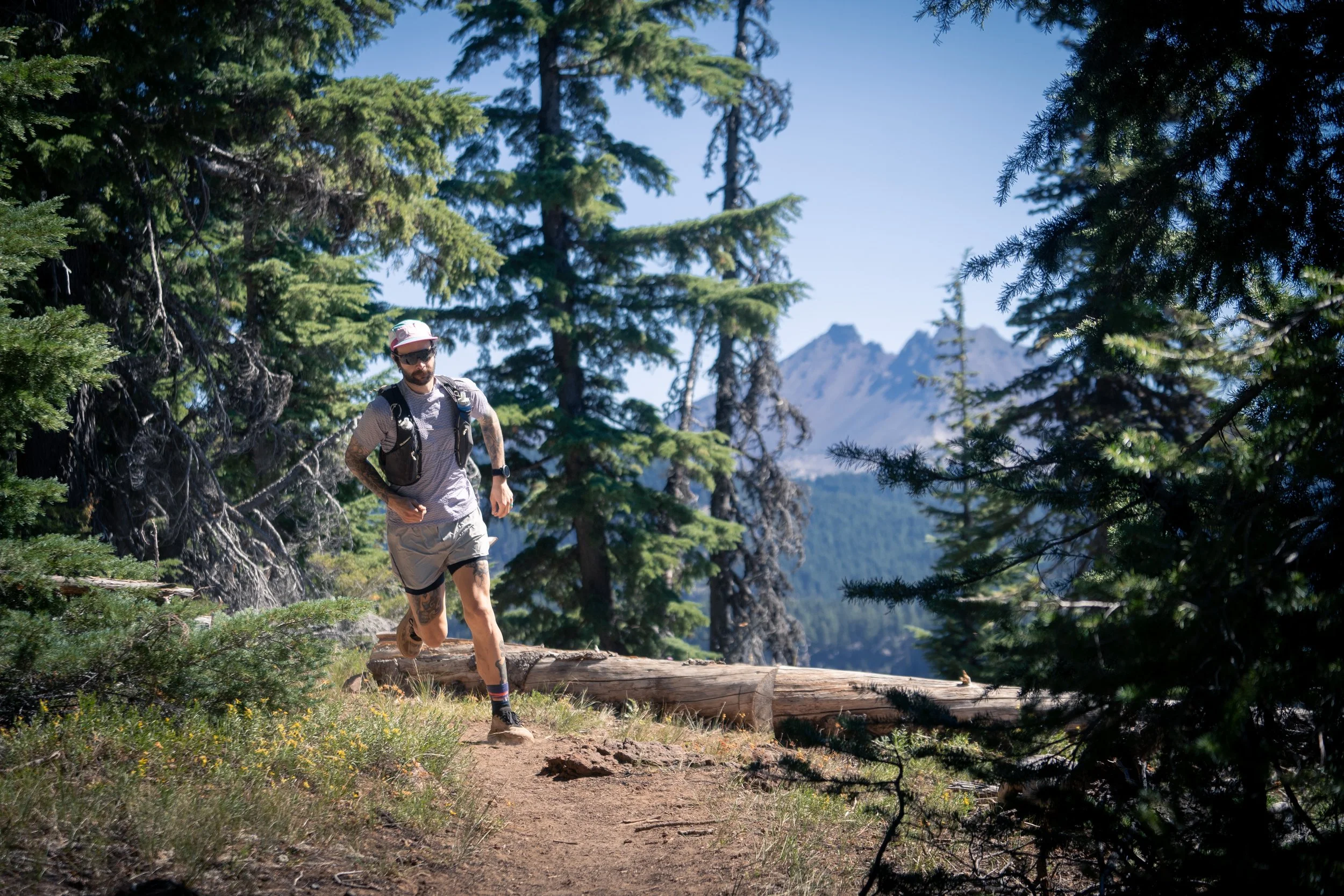
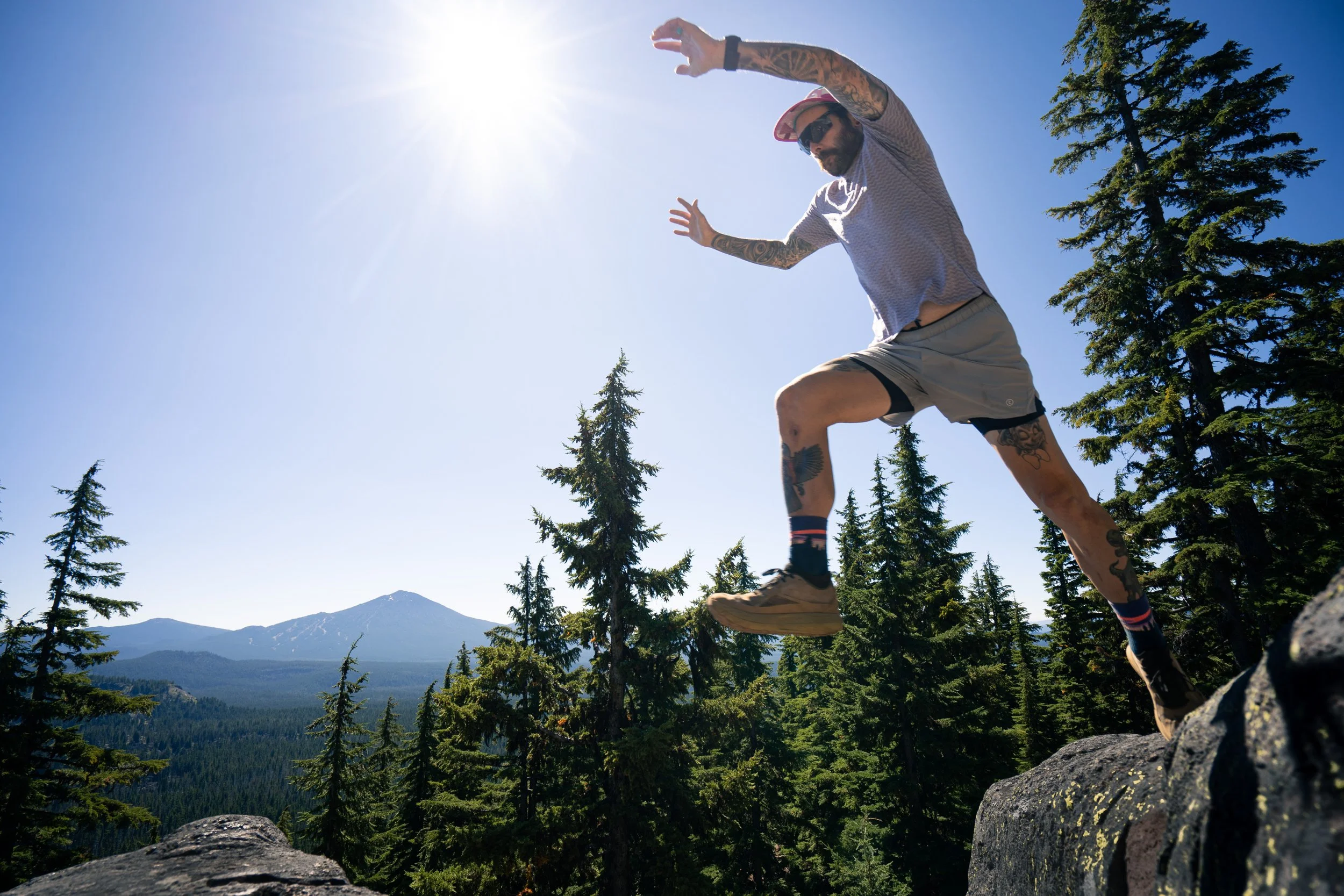
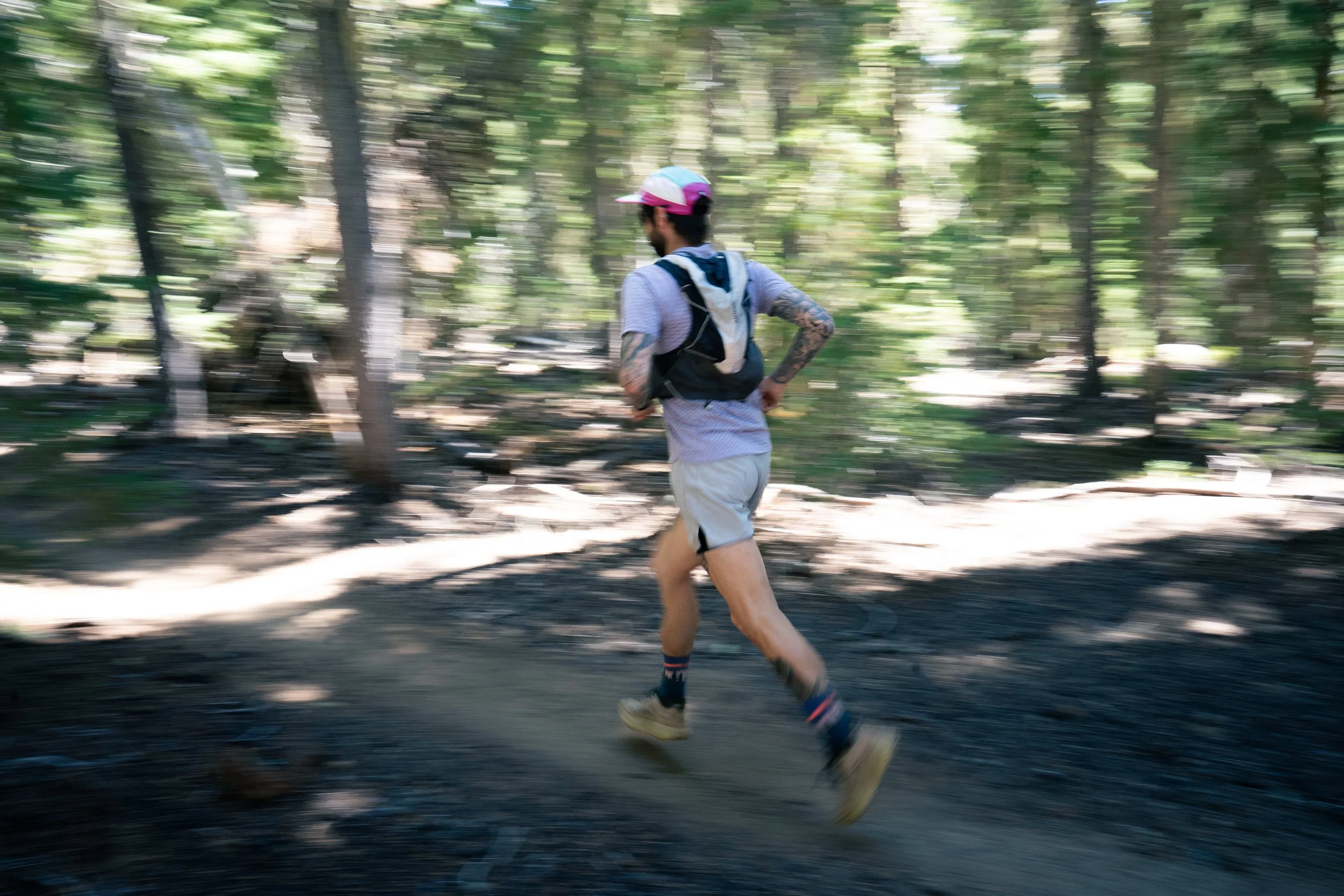
Primary Outdoor Sport: Adventure Running
Favorite Beverage: Ice Water
Sunrise or Sunset: Sunset
Non-Outdoor Hobby: Reading
Go-To Trail Snack: Bagged Pasta
Guilty Pleasure: Video Games
Go-To Running Music: Odesza
Unpopular Opinion: I hate the word "Ultrarunning"
Book Recommendation: Carrion Comfort by Dan Simmons
Three Words to Describe You: Outgoing, Funny, Motivated
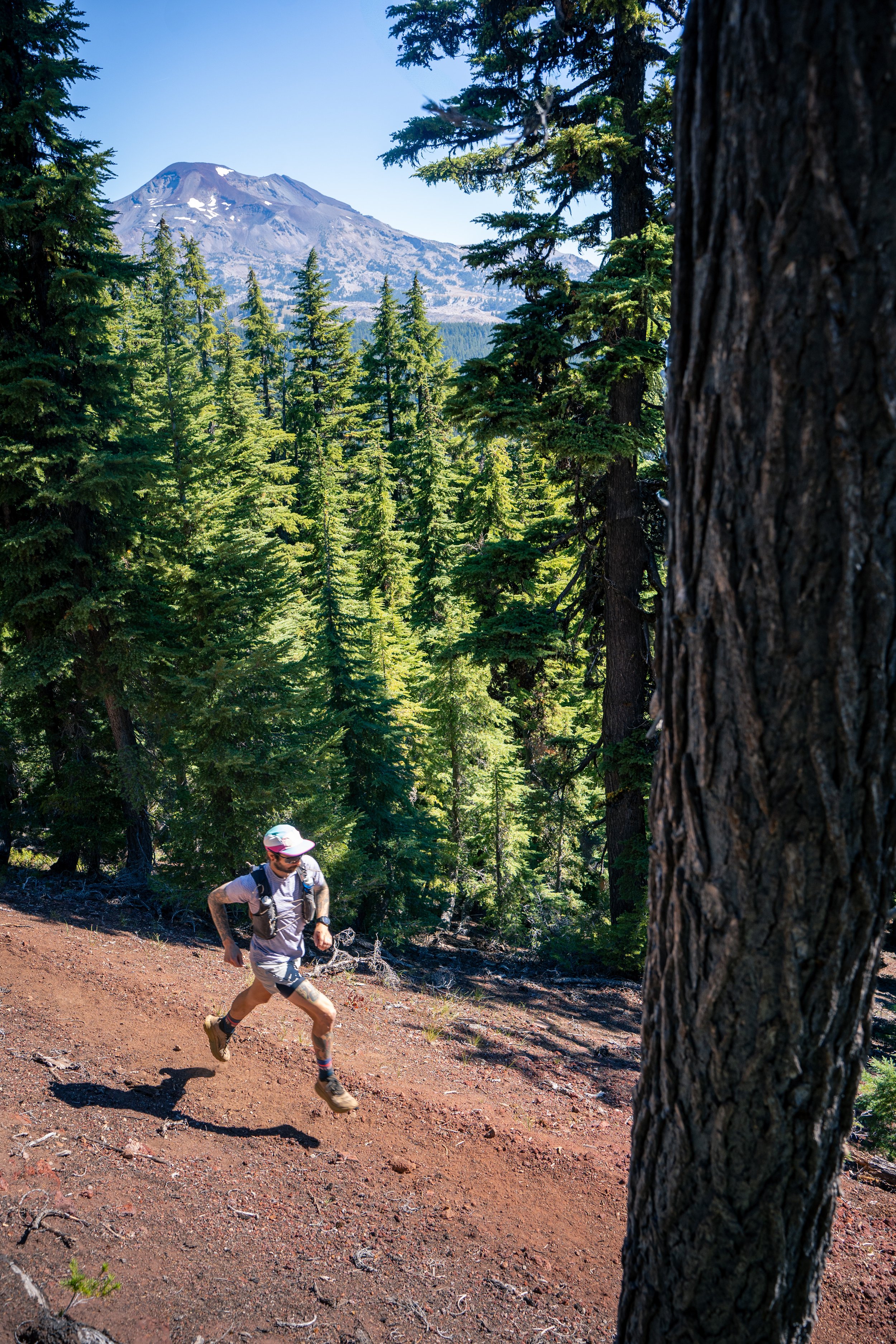
“I was always playing baseball growing up. Moved schools, didn't make the team, so out of anger I was like, well, I'm just gonna do a sport that everyone gets in. You don't have to apply for it. So I joined cross country. I had friends in cross country, and that was the beginning of running with friends, getting outside, not doing the organized team sport.
I ran for college freshman year. Same thing, got outside, got to run farther distances, still running with new friends. But college cross country started to feel like a job. I did not enjoy waking up, having to be regimented, we were doing three-a-days at times. That was not fun. It took the joy out of the running I'd learned to love in high school. So I quit running, and just started running with my friends, still doing all of the routes that we were doing, just not because I had to wake up at a certain time and get outside for whatever the workout was.”
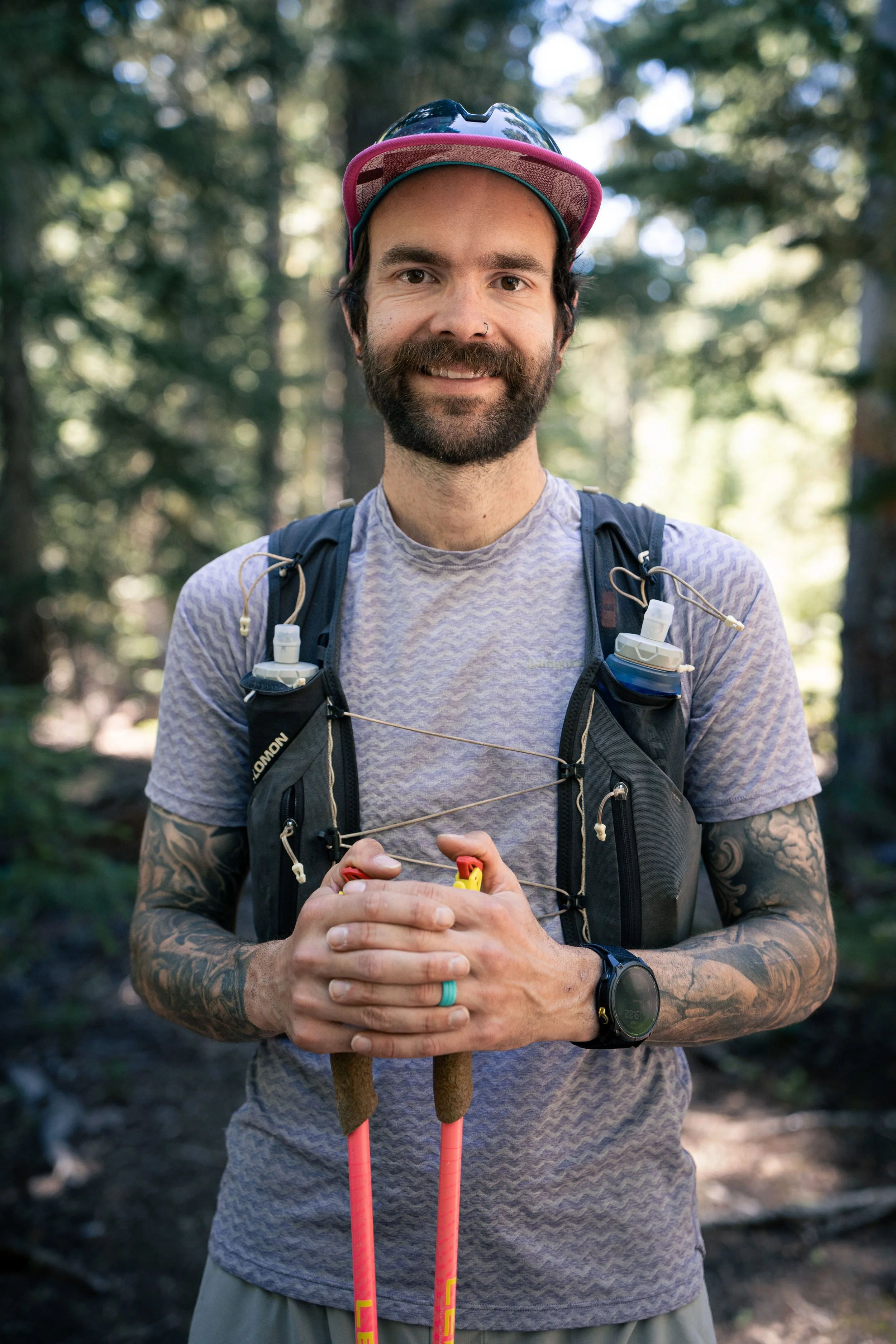
“Road marathons were the gateway drug. I think I trained too well for my first road marathon. It was always kinda the see how far I can run efficiently, effectively, still have fun while being out there doing bigger things.
Finishing my first marathon, I didn't hit a wall, I didn't bonk. Maybe I didn't try hard enough, but that wasn't what I wanted out of running.
I think part of that, too, is running by 6,000 or 10,000 other people, shoulder to shoulder the whole time. It's fun to see people on the sides of the street cheering for you, but it's also overwhelming when it never ends.”
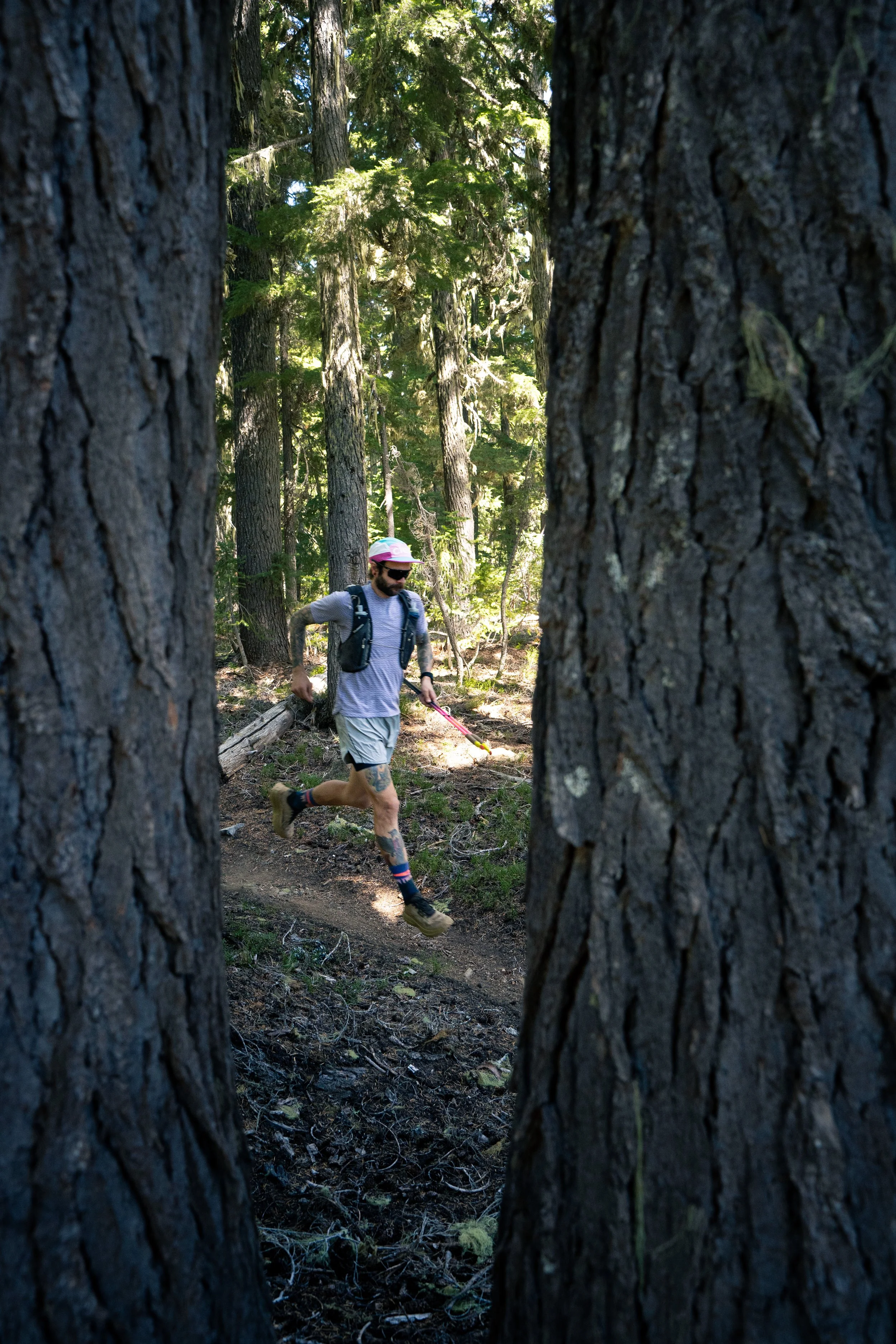
“Going to school in Northern Minnesota, in Duluth, was when the trail world started opening up. Duluth has countless trails, hiking trail only, hiker/biker combo trails. The Superior Hiking Trail goes through Duluth, and it's 300 some miles. That's when it was really like, ‘We can shuttle, park a car here, run to the car on the other side of town.’ All of a sudden we're making these big loops, gone for most of the day. That was before I even knew what I was doing gear-wise, so it was just granola bars in my pack and hope for the best.
I did a couple trail races when I was still in Duluth. 30, or 50K, so 30 mile, and started kinda going bigger from there. Moving to Bend was when it got bigger, more of a problem, I guess."
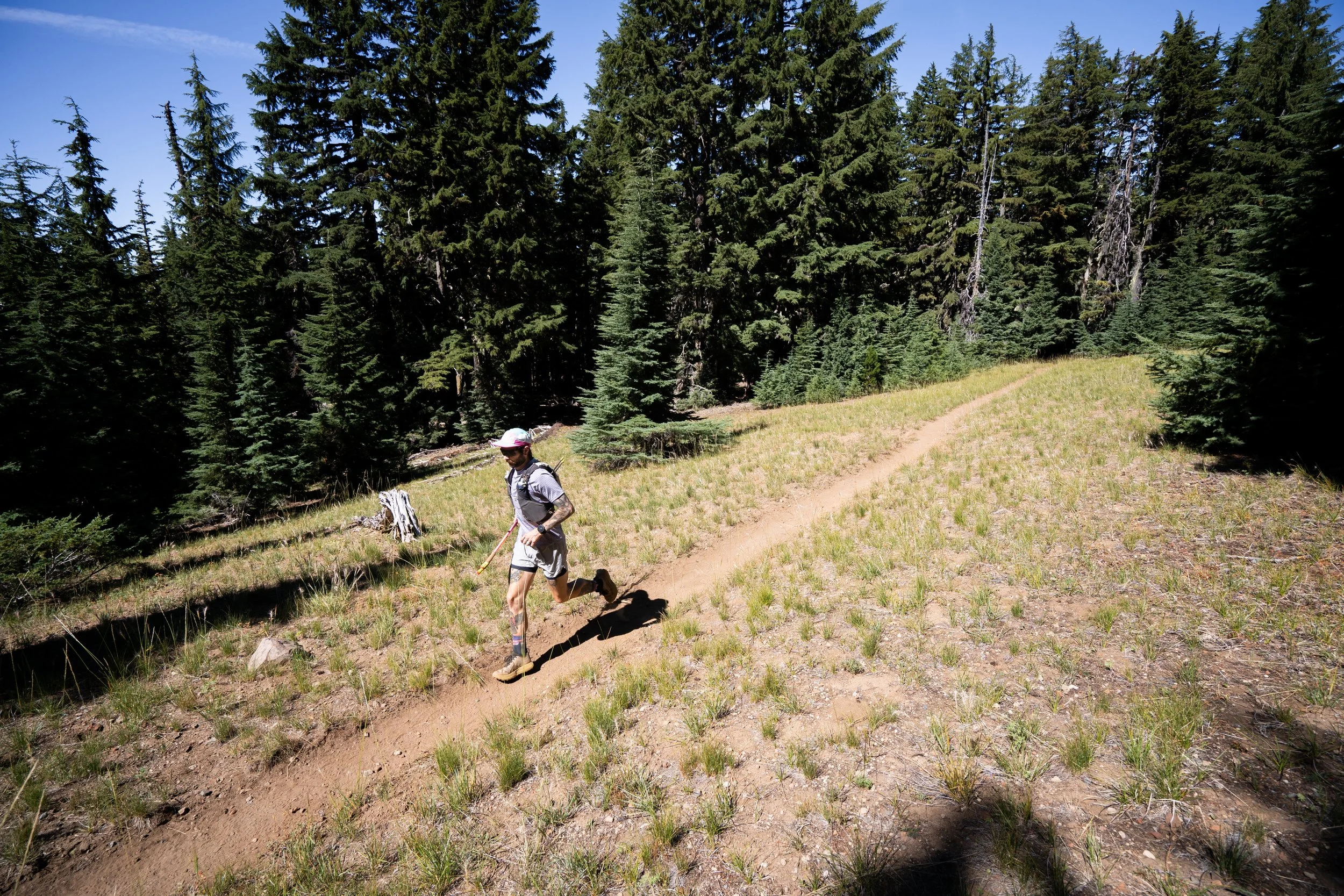
“I'm kind of like a super active dog. It gets my wiggles out, so it lets me chill. My other hobbies are fairly sedentary, I love reading. I can get out on my big run, shake out all the energy, then have a relaxed day working in the yard, reading a book.
Working in critical care healthcare, running is my escape. Working through the pandemic, working in the ICU, you see a lot of end of life and sad situations. Being able to get away from that and be in the beauty of nature, for me, is a lifesaver.
Running helps keep my mental health in check to the best capacity possible. Given the state of the world, the state of working in critical healthcare, there's so many negatives happening, and running is my way to get away from all of that. Running is my therapy.”
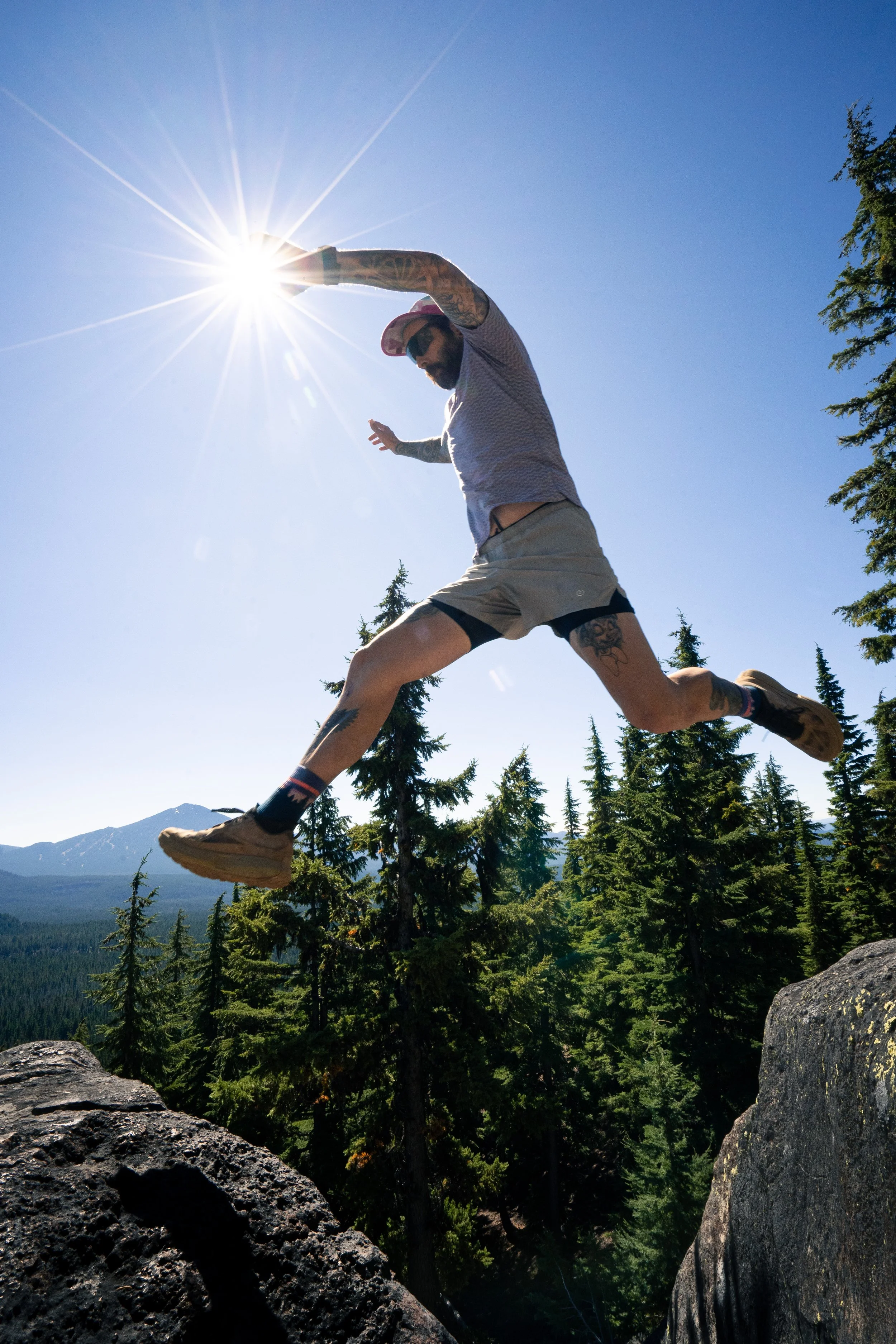
“My first self-supported hundred came out of a series of negative events. I'd sign up for these races and twice had hundreds canceled, one for COVID, one for forest fires and COVID.
I train fairly seriously, so that was a bummer, training hard for an event and then a week beforehand they announce it's just not happening.
So my partner and I plotted out a route and just went for it. It was eye-opening. In a formal race you have an aid station every five or ten miles. My first self-supported hundred, I had three total, so I had to carry everything from the beginning. But by the end, it was so much more fun than a formal event.
You had to push through all this different adversity to get to the finish line. You don't get a belt buckle, but for me it was way more fulfilling than doing a signed up event.”
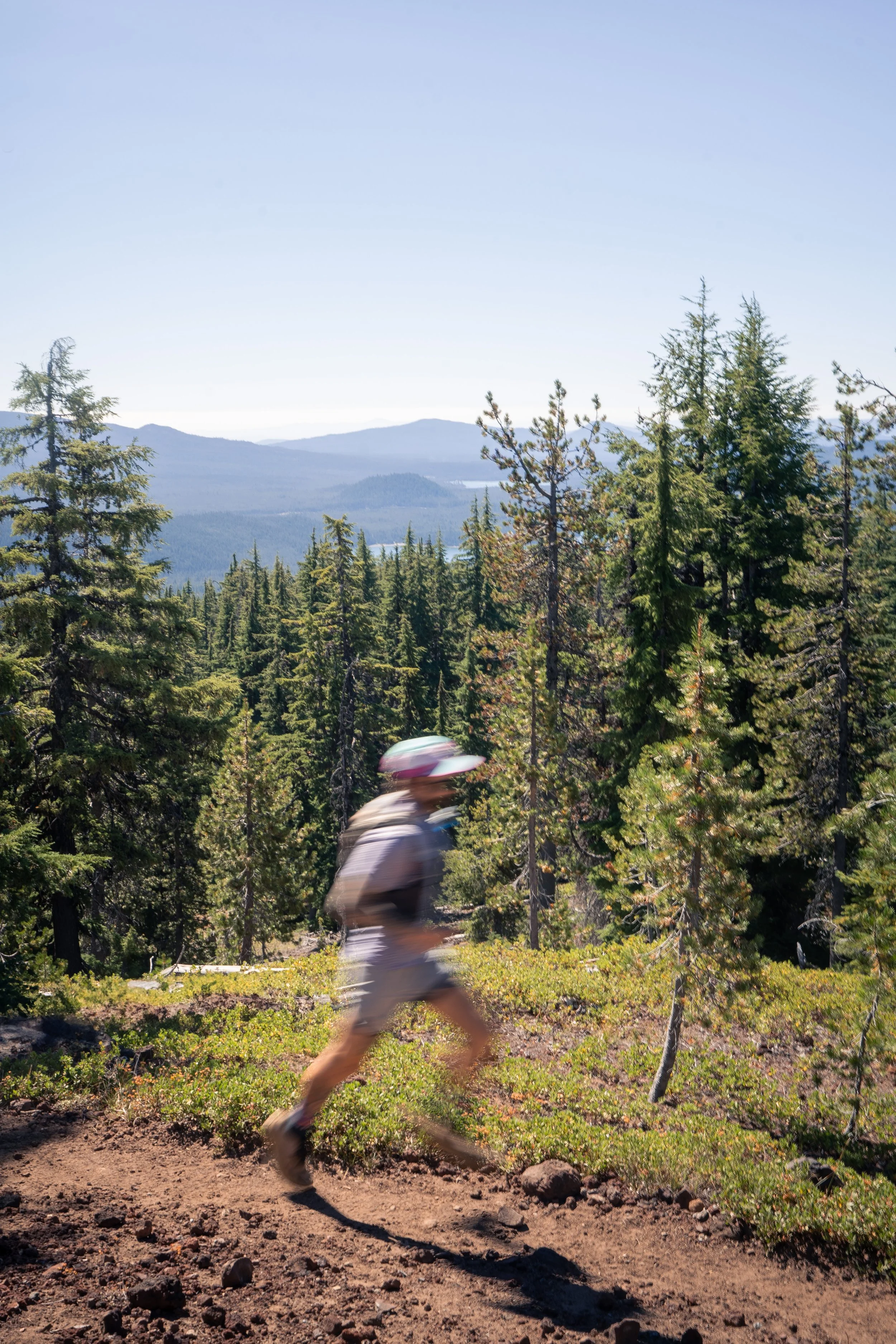
“The record was 8 days, 12 hours. When you break that down over 455 miles, it's 55 miles a day and just keep doing it. I'd already run 50 milers four days in a row, so I started looking at maps to beat the record.
Where are the next trailheads after the 55 they stopped at? That's when it built into, I think you might have to accept you're gonna do 70 mile days. It's 455 miles, 65,000 feet of gain and loss. I finished it in 6 days, 1 hour, and 4 minutes. Beat the record by 59 hours.”
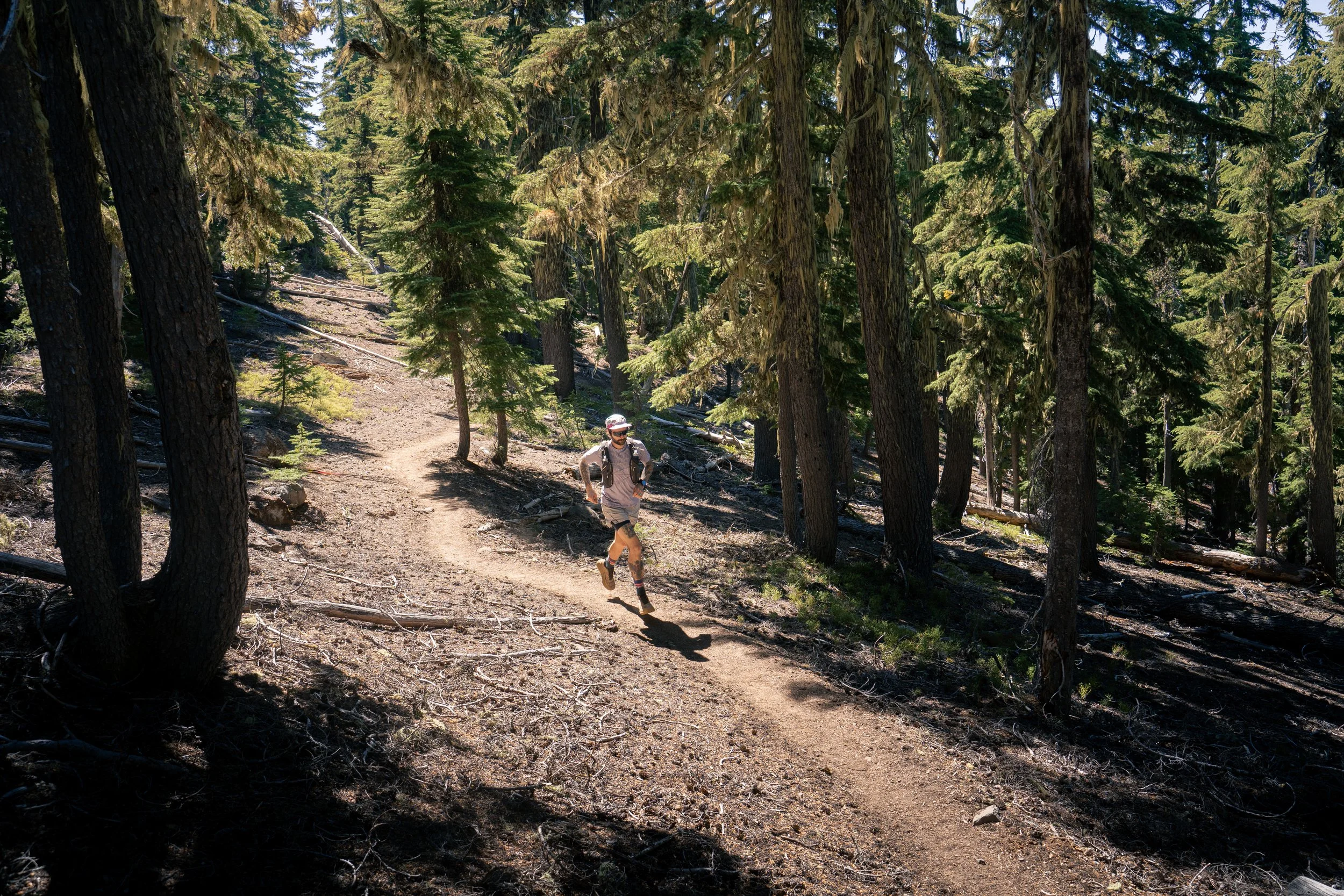
“End of day one on the PCT, I'm 70 miles into 460, and I'm already sore, already tired. It's easy for your mind to say, you have this many miles left, and if you feel this bad now, it's only gonna get worse. Are you sure you should be here?
So I'm always spinning that into, but you did get 70 done, and you do have more left in the tank, and you trained for this. I trained very specifically and intentionally to put myself in the biggest hole possible and get out of it. It could be as simple as, it's not snowing and there's no hail everywhere, all things considered, the weather's pretty nice. So focus on those little things.
Day 1 was three miles bigger than any app had recorded, which was defeating, getting into the truck in the dark because you're hours later than you thought you'd be. I did a night by myself, which felt right at the time, but looking back I probably would've gone faster with somebody to distract me or follow.
My crew and I kept waiting for the crash, the wheels falling off, me hobbling into an aid station unable to jog flat. I have no idea how, but that never happened. The lows were mostly physical exhaustion, falling asleep while running, but you know how to fix that. You lay down and get some rest. Real lows didn't hit until the last twenty miles, and I had four really gnarly falls where I was bleeding everywhere.
I don't think about the big project. I think about, in 20 miles I'm gonna see my crew. They'd make me popsicles out of energy drinks, so I know in a little bit I'm gonna get a Ghost energy popsicle, and that's enough to keep moving. Even 18 minutes of sleep, or 5 minutes, you wake up totally refreshed compared to before. It was enough to get the cobwebs off the vision, like, ‘Okay, everything I'm looking at is actually there. That tree is not a tent.’ The power of sleep was immense.
The last day and a half, knowing I was in a familiar area, getting to Timberline Lodge, that distance was so familiar to me, I knew I was close. Leaving Timberline Lodge it got dark, and it was like, ‘This is my last night, come sunrise we're almost gonna be done.’
In Cascade Locks, the sun rose and I could see the Bridge of the Gods, literally where I finish. From that moment there were a lot of tears, moments where I'd stop mid-run just to process, ‘What have I just done? What am I about to do?’ It made no sense to me.
My whole crew was there, my parents, my future in-laws. My fiancée ran the last half mile with me down that stretch, no shoulder on the road, big trucks passing, having no idea what's happening as I'm cry-running down the bridge. Then there's just a sign that says welcome to Washington. I crossed the border and smacked the sign. My partner had to remind me to stop my watch because I was in a different world.”
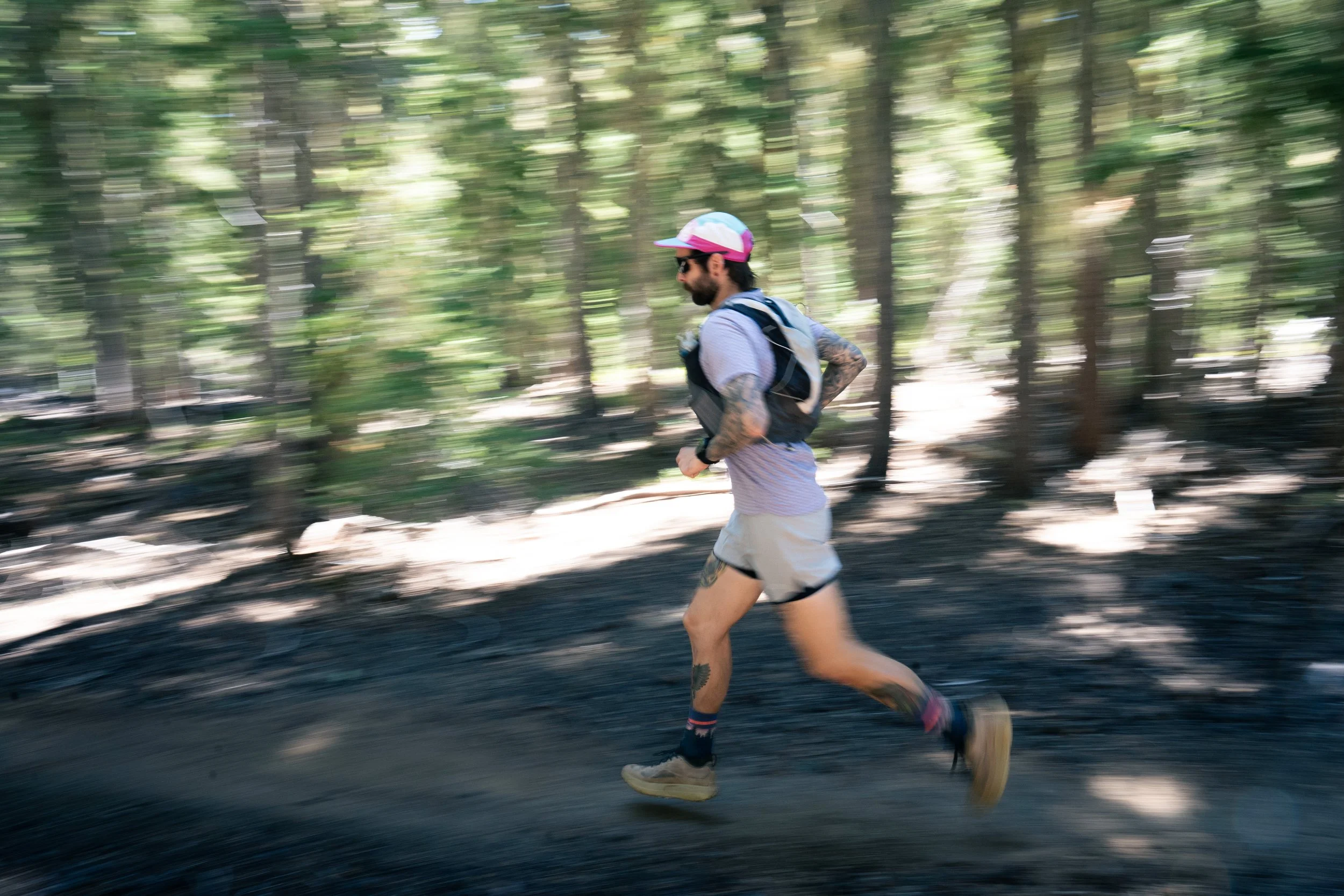
“My crew chief reached out to a local Portland running group on the last day saying ‘My runner wants to do Timberline to the finish by himself. We think it's a terrible idea. Can anybody help pace him?’
My pacers were spent. Within one minute, two runners said, ‘Yep, we'll be there. We'll coordinate with each other. Don't even worry about it.’
People I didn't even know were willing to meet me and run 50 miles in the dark within an instant. The community is insane. Part of why I do what I do is to meet cool people doing the same thing.
The guy whose record I beat, Yasinne out of Portland, sent me a personalized message congratulating me for breaking this ten year record of his own. That's something a little unheard of. There's this small running community that wants you to succeed at what has already been done. Other sports are more like, ‘Damn, they beat my record.’ Running is just like, ‘Yes, awesome, you beat it, tell me all about it.’”
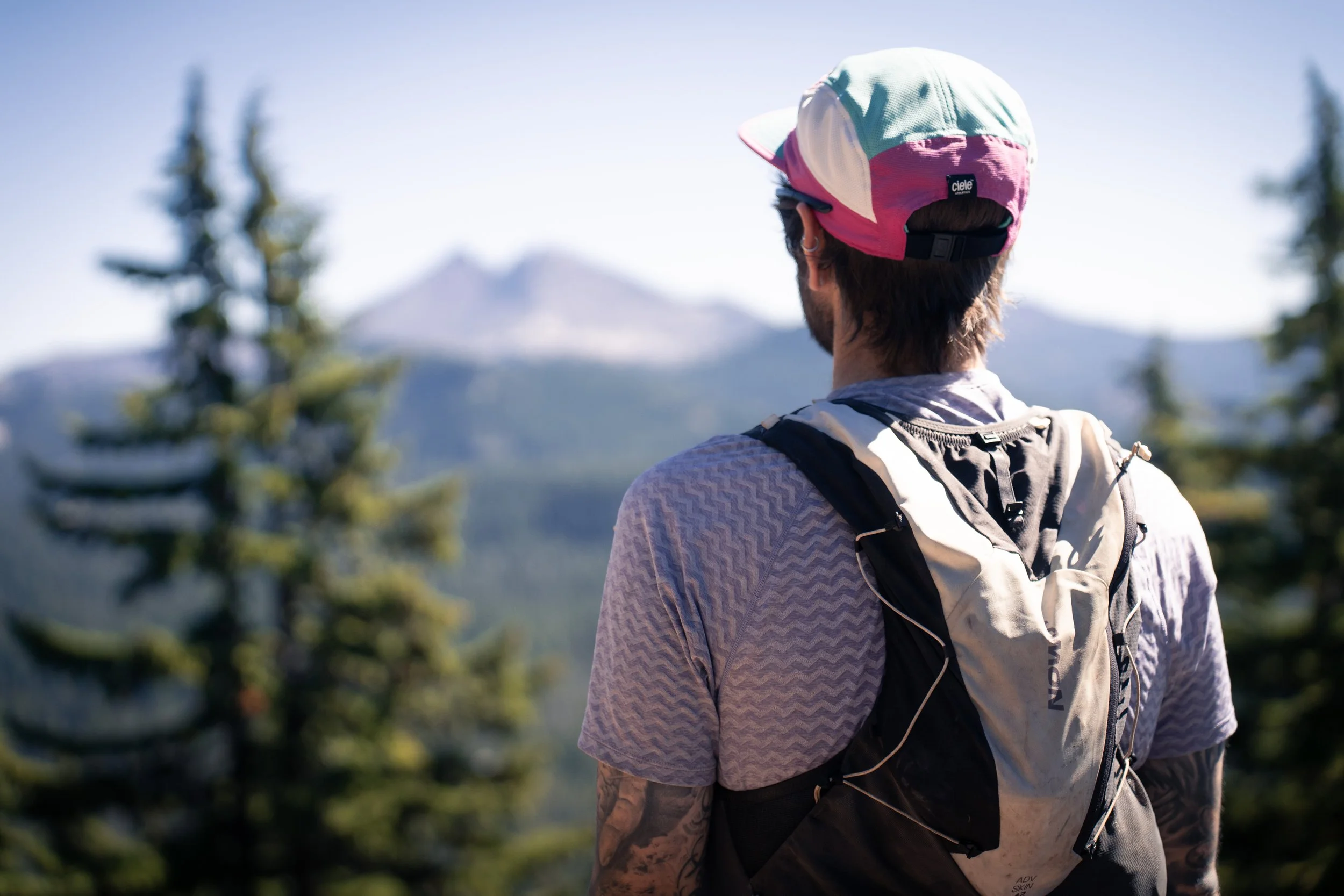
“I am not the same person I used to be before I did all these bigger runs. It changes your perspective on literally everything. It makes the things you don't want to do not seem so big. You don't worry about the bigger things in life anymore. General work life is just like, ‘This is small potatoes compared to all these things I've willingly put myself through.’ It's changed everything.
Flash forward from finishing my first 100 at 24, thinking that was the ceiling, to now doing these regularly, doing 200s, doing a 460, that's the biggest accomplishment. There's always something next. There's always something bigger. There's always another challenge.
I don't get blinders on and sad that the effort's over. I get more excited for what's next. You're fine-tuning the passion.”